
Corporate event management helps businesses organize professional, engaging, and well-coordinated events that support their goals. From conferences and seminars to product launches, award ceremonies, and annual company celebrations, corporate events provide opportunities to connect with employees, customers, partners, and industry professionals.
A successful business event requires more than booking a venue and arranging refreshments. It involves strategic planning, budgeting, branding, technology, scheduling, vendor coordination, and a clear understanding of the audience.
Whether you are organizing a small team meeting or a large industry conference, the right approach can create a professional experience that leaves a lasting impression.
In this guide, we will explore eight practical ideas for organizing successful corporate events, explain the benefits of professional event planners, and share tips to help businesses make their events more effective.
Table of Contents
- Define Your Corporate Event Objectives
- Choose the Right Event Format
- Set a Practical Budget
- Select a Professional Venue
- Create an Engaging Event Experience
- Use Technology to Improve Coordination
- Promote Your Event Effectively
- Measure Event Success
- Benefits of Professional Corporate Event Management
- Common Mistakes to Avoid
- Conclusion
1. Define Your Corporate Event Objectives
Every successful corporate event begins with a clear objective. Before selecting a venue or inviting attendees, determine why the event is being organized and what results the business expects.
For example, a product launch may aim to introduce a new offering to potential customers, while a conference may focus on industry knowledge and professional networking. An annual company celebration may recognize employee achievements and strengthen workplace relationships.
Identify Your Target Audience
Understand who will attend the event. Employees, business partners, investors, customers, and industry professionals may have different expectations.
Knowing your audience helps you choose suitable activities, presentation styles, communication methods, and networking opportunities.
Establish Measurable Goals
Decide how you will evaluate the event. Possible objectives include the number of registrations, attendee participation, customer inquiries, networking connections, or feedback scores.
Clear objectives help guide planning decisions and make it easier to assess whether the event delivered value.
2. Choose the Right Event Format
The format of your event should match its purpose, audience, and budget. Selecting an appropriate format helps maintain engagement and ensures that attendees get the most from their time.
Conferences and Seminars
Conferences and seminars are suitable for sharing industry knowledge, presenting research, discussing business trends, and bringing professionals together.
Plan a balanced agenda with knowledgeable speakers, focused presentations, question-and-answer sessions, and networking breaks.
Product Launches
A product launch introduces a new product or service to customers, business partners, media representatives, or other relevant audiences.
Consider product demonstrations, branded displays, presentations, and opportunities for attendees to experience the offering firsthand.
Team-Building Activities
Team-building events encourage collaboration, communication, and stronger working relationships. Depending on the company culture, activities may include workshops, group challenges, outdoor experiences, or creative competitions.
Annual Meetings and Award Ceremonies
Annual meetings communicate business progress and future priorities. Award ceremonies recognize achievements and celebrate contributions from employees, teams, or partners.
Choose a format that encourages participation rather than making attendees passive observers throughout the event.
3. Set a Practical Budget
Budgeting is a fundamental part of corporate event management. A realistic budget allows businesses to allocate resources efficiently and avoid unnecessary expenses.
Start by identifying the maximum amount available for the event. Then estimate costs for venue rental, catering, audiovisual equipment, decoration, speakers, entertainment, transportation, marketing, and staff.
Prioritize Essential Expenses
Spend according to your event objectives. For a conference, speaker quality and presentation technology may be priorities. For a product launch, product displays, branding, and demonstration equipment may be more important.
Compare quotations from several suppliers and review the services included in each proposal.
Plan for Unexpected Costs
Last-minute changes, additional equipment, guest cancellations, and extended venue hours can increase expenses.
Consider reserving approximately 10% of your estimated budget for unexpected costs, adjusting the amount based on event size and complexity.
Monitor Spending
Maintain a record of approved budgets, payments, outstanding invoices, and additional charges. Assign someone to review expenses regularly so that problems can be addressed before they affect the event.
4. Select a Professional Venue
Your venue influences the event’s atmosphere, accessibility, capacity, and technical requirements. It should support your objectives while providing a comfortable environment for attendees.
Consider Location and Capacity
Choose a venue that is convenient for your target audience. Consider transportation options, parking, accessibility, accommodation, and the distance attendees may need to travel.
Ensure the venue can accommodate the expected number of participants, including space for registration, seating, networking, catering, and presentations.
Check Technical Facilities
Corporate events often depend on microphones, projectors, presentation screens, lighting, internet access, and video conferencing equipment.
Confirm that the venue can support your technical requirements. Arrange equipment testing before the event begins.
Match the Venue to Your Brand
A modern conference center may suit a technology company, while a hotel ballroom could be appropriate for an awards ceremony or annual gathering.
The venue should complement your company’s identity and create the right impression without exceeding your budget.
5. Create an Engaging Event Experience
A corporate event should offer value to attendees rather than simply filling a schedule with presentations. Engaging activities can encourage participation and make the experience more memorable.
Include Interactive Sessions
Consider live polls, audience questions, panel discussions, workshops, demonstrations, or small-group activities. These formats encourage attendees to participate and exchange ideas.
Make Networking Easier
Provide dedicated networking breaks, comfortable conversation areas, and opportunities for attendees to meet relevant professionals.
For larger events, a clear event directory or digital attendee information system may help participants identify people they want to connect with.
Maintain a Balanced Schedule
Avoid scheduling too many presentations without breaks. Allow time for refreshments, movement between sessions, and informal discussions.
Share the agenda in advance so attendees can plan their participation.
A well-designed experience helps businesses communicate their message while giving attendees meaningful reasons to stay involved.
6. Use Technology to Improve Coordination
Technology can simplify registration, improve communication, and support smoother event operations.
Simplify Registration
Online registration forms can collect attendee details, dietary requirements, accessibility requests, and session preferences.
Automated confirmation messages and reminders help participants stay informed before the event.
Improve Presentations
Use reliable presentation equipment, quality sound systems, suitable lighting, and stable internet connectivity. For hybrid events, test remote participation tools and ensure that online attendees can hear and see presentations clearly.
Coordinate Your Team
Shared schedules, task-management tools, and communication platforms help organizers track responsibilities and deadlines.
Prepare a backup plan for technical problems, including alternative presentation files, spare cables, backup microphones, and technical support where necessary.
Technology should make the event easier to manage, not introduce unnecessary complexity. Test every important system before attendees arrive.
7. Promote Your Event Effectively
Even a well-planned event needs appropriate promotion to reach the right audience. Your promotional strategy should reflect the event’s purpose and the people you want to attract.
Use Multiple Communication Channels
Depending on your audience, promotion may include email invitations, company newsletters, LinkedIn posts, professional communities, industry partnerships, and your business website.
Provide clear information about the event’s purpose, date, venue, agenda, speakers, registration process, and expected benefits.
Create Consistent Branding
Use consistent colors, logos, typography, and messaging across invitations, banners, presentations, and registration pages.
Professional branding helps create a recognizable identity and reinforces your company’s image.
Communicate Before and After the Event
Send reminders to registered attendees with essential logistical information. After the event, share relevant presentations, photographs, follow-up messages, or feedback forms where appropriate.
Explore Eventbrite’s event planning resources for additional guidance on event promotion, registration, and attendee engagement.
8. Measure Event Success
Evaluating an event helps businesses understand what worked, identify areas for improvement, and make better decisions for future activities.
Review Your Original Objectives
Compare actual results with the goals established during the planning stage. For example, assess attendance against registrations or examine the number of relevant customer inquiries generated by a product launch.
Collect Attendee Feedback
Use short surveys to ask participants about the venue, speakers, organization, technical quality, networking opportunities, and overall experience.
Open-ended questions can reveal useful suggestions that numerical ratings may not capture.
Review Budget and Operations
Compare final expenses with the original budget. Review vendor performance, schedule accuracy, technical issues, and any unexpected challenges.
Document the lessons learned and share them with your team. This creates a useful reference for planning future events.
Benefits of Professional Corporate Event Management
Professional corporate event management services help businesses coordinate complex arrangements while maintaining a consistent standard of quality.
1. Saves valuable time: Event planners manage schedules, vendor communication, bookings, and logistical details, allowing company teams to focus on their core responsibilities.
2. Supports budget control: Experienced planners can compare suppliers, track costs, and suggest practical alternatives that align with the available budget.
3. Improves professionalism: Coordinated registration, venue setup, branding, presentations, and guest services create a more organized experience.
4. Encourages creative ideas: Professionals can recommend interactive formats, modern stage designs, networking activities, and customized experiences that reflect the company’s objectives.
5. Reduces operational stress: A dedicated team can monitor event progress, coordinate vendors, and respond to unexpected issues.
6. Strengthens brand presentation: Consistent visual design and professional execution help businesses communicate their identity to customers, employees, and partners.
Before hiring an event management company, review its portfolio, discuss the scope of services, confirm costs, and clarify responsibilities in writing.
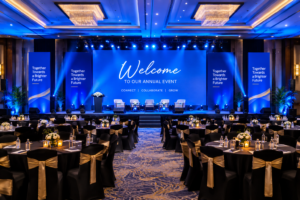
Common Corporate Event Planning Mistakes to Avoid
Several common mistakes can reduce the effectiveness of a business event.
- Unclear objectives: Establish specific goals before making bookings or planning activities.
- Poor time management: Create a realistic agenda and include breaks between sessions.
- Ignoring technical requirements: Test microphones, projectors, internet connections, and presentation systems before the event.
- Insufficient attendee communication: Send timely invitations, reminders, venue information, and schedule updates.
- Overlooking accessibility: Consider seating, accessible routes, dietary requirements, and other attendee needs.
- Skipping post-event evaluation: Collect feedback and review results to improve future events.
Addressing these issues early helps create a more reliable and professional experience.
Conclusion
Corporate events offer businesses valuable opportunities to build relationships, share knowledge, recognize achievements, and present their products or services. Achieving these goals requires clear objectives, practical budgeting, the right venue, engaging activities, reliable technology, and effective coordination.
Professional corporate event management brings these elements together, helping businesses deliver organized events that reflect their brand and serve their objectives.
Whether you are planning a seminar, conference, product launch, annual meeting, or employee celebration, thoughtful preparation can make a meaningful difference.
Planning your next business event? Contact our event management team to discuss your requirements, explore creative concepts, and discover how we can help organize a professional and memorable corporate experience.
